No products added!
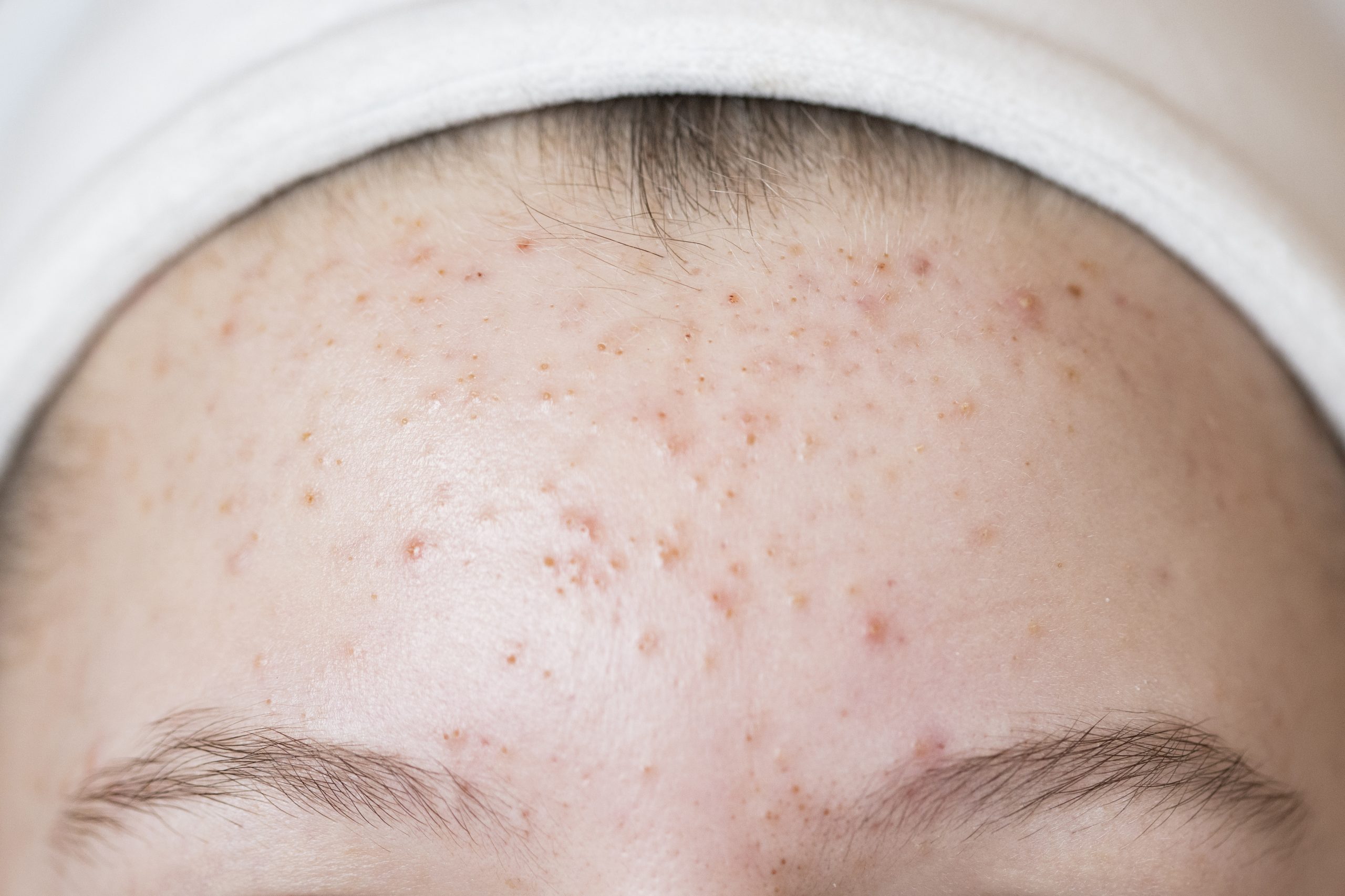

You wash your face every morning, you moisturize, you try to do everything right. And still, you wake up to a cluster of pimples across your forehead. It’s frustrating, and honestly, a little confusing, because forehead acne doesn’t always respond to the same fixes that work elsewhere on your face.
The forehead sits squarely in the T-zone, a strip of skin running from forehead to nose to chin that tends to produce more oil than the rest of your face. That excess sebum, combined with dead skin cells, pollution, hair products, and hormonal shifts, creates a perfect environment for clogged pores and breakouts. Understanding what’s actually driving your forehead breakouts is the first step toward clearing them up.
Dr. Deborah Longwill, DO, FAOCD, has been treating patients across South Florida since 1992. At Dr. Longwill Skin Care, she takes a holistic approach to skin conditions like acne, working through the root causes rather than just suppressing symptoms.
This guide draws on the same principles her practice applies every day.
 The Truth Behind Forehead Breakouts
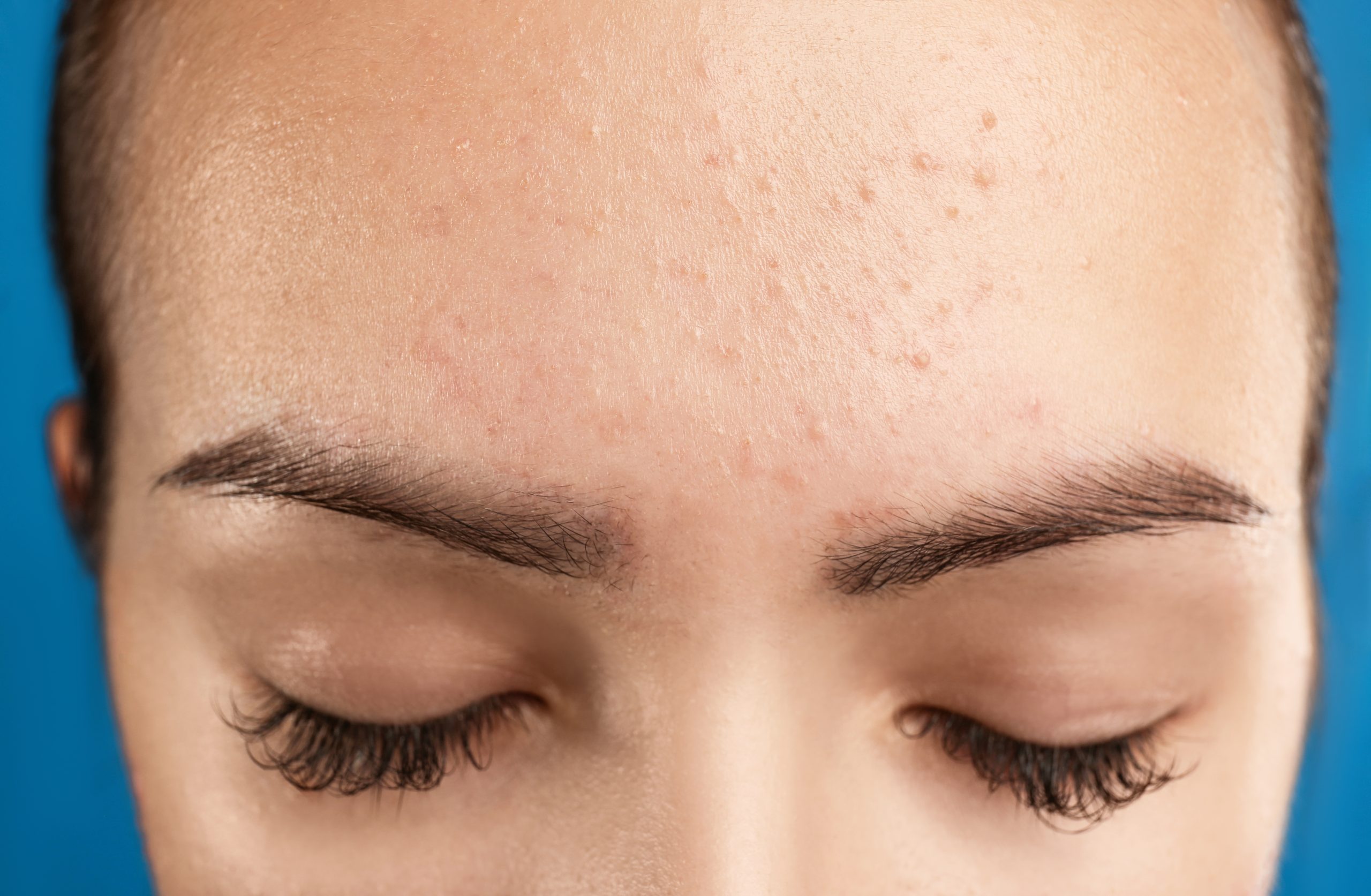
Basically, a pore gets blocked when excess oil (sebum) and dead skin cells mix inside it. When that happens, a pimple forms. Your face is covered in sebaceous glands that constantly produce oil to keep skin soft and healthy. When oil is produced normally and flows to the surface of your skin, it’s great. When oil is produced in excess or can’t escape a blockage and builds up, it’s not so good. Bacteria thrive in that buildup, so pimples develop.
The forehead is home to many, many sebaceous glands, which is why breakouts tend to show up most frequently in this area. Any factors that increase oil production or trap bacteria and oil in a follicle will lead to acne more often on the forehead than on the cheek, for example.
Hormonal Breakouts
While many people are only aware that hormonal fluctuations affect teenagers, hormonal acne can continue into your thirties and forties. During puberty, male hormones increase in all adolescents, both boys and girls, which stimulates the sebaceous glands to overproduce oil. This excess oil is one reason that teenagers tend to break out more often.
Your hormone levels also fluctuate during menstruation, pregnancy, and menopause, and may be affected by polycystic ovary syndrome. All of these can cause increases in oil production and breakouts. Other conditions that cause hormonal changes can also be factors, such as high stress levels. The American Academy of Dermatology identifies changes in hormones as the primary cause of adult acne.
If hormonal levels are causing your acne, you likely won’t be able to improve things with drugstore products alone. Dr. Longwill assesses hormonal patterns as she helps diagnose acne, because addressing the issue directly may be more successful than relying on topicals and over-the-counter medications.
Using Hair Products That Cause Acne
You might be surprised to find that the products you use in your hair are to blame for your acne. Acne caused by oil-based hair care products, known as pomade acne or pomacnea, is common and well documented. If you use hair pomades, waxes, creams, or heavy conditioners, they could migrate from your hair onto your skin and clog pores, causing a line of whiteheads and blackheads to form along your hairline.
This can happen with rich leave-in conditioners and hair oils as well as traditional pomades. If you break out primarily near your hairline, consider switching to lighter, water-based hair products. After applying products like leave-in conditioners, you might even want to wash your face. You’ll also want to be mindful if you wear bangs or hats, as the hair product can transfer to the face while you’re wearing these items.
Poor Skincare Habits
Some of the most common skincare habits may actually be causing or aggravating acne in ways that many consumers don’t realize. The first is washing. If you go overboard with it, it does more damage than good. Washing the face more than twice a day can strip away the natural oils and moisture that keep skin healthy. Your skin then compensates by secreting even more oil. If this keeps happening, the problem becomes even worse.
Touching your face is another common one. Whether you’re adjusting glasses or propping your chin on your hand, you touch your forehead a lot more than you realize until you start paying attention. Touching brings germs and oils to your skin. And that makes it worse.
Your skincare products matter too. Heavy moisturizers and foundation are likely to clog your pores. It’s possible for your face to become irritated, even if you’re washing your face regularly. When picking products, always check that they’re labeled noncomedogenic.
Finally, if you aren’t exfoliating your skin, that’s another factor. Dead skin cells will build up on the surface and clog pores. This prevents sebum from exiting the follicles. Instead of scrubbing, which causes inflammation and can irritate the skin, regular gentle exfoliation is a better choice for removing dead skin and preventing breakouts.
Forehead Acne: What You Can Expect
You need to know what you’re dealing with, since there’s more than one type of forehead acne to watch out for.
- Whiteheads: Small bumps on the surface that have a white or flesh-colored tip. These are closed pores, which means you can’t easily extract them. They’re common on the forehead and around the hairline.
- Blackheads: Open pores that have a dark color (oxidized sebum). They’re found on the forehead, as well as the nose.
- Papules and Pustules: These are small, red, and inflamed. Pustules have a white or yellow center, which means there’s an infection present in these pus-filled pimples.
- Cystic Acne: Cysts and nodules are deep-seated and very painful, and they can take weeks to clear. Forehead cystic acne is often caused by hormonal fluctuations, so a dermatologist should get involved, because a drugstore product may not be able to treat this kind of breakout.
 Treatments for Forehead Acne
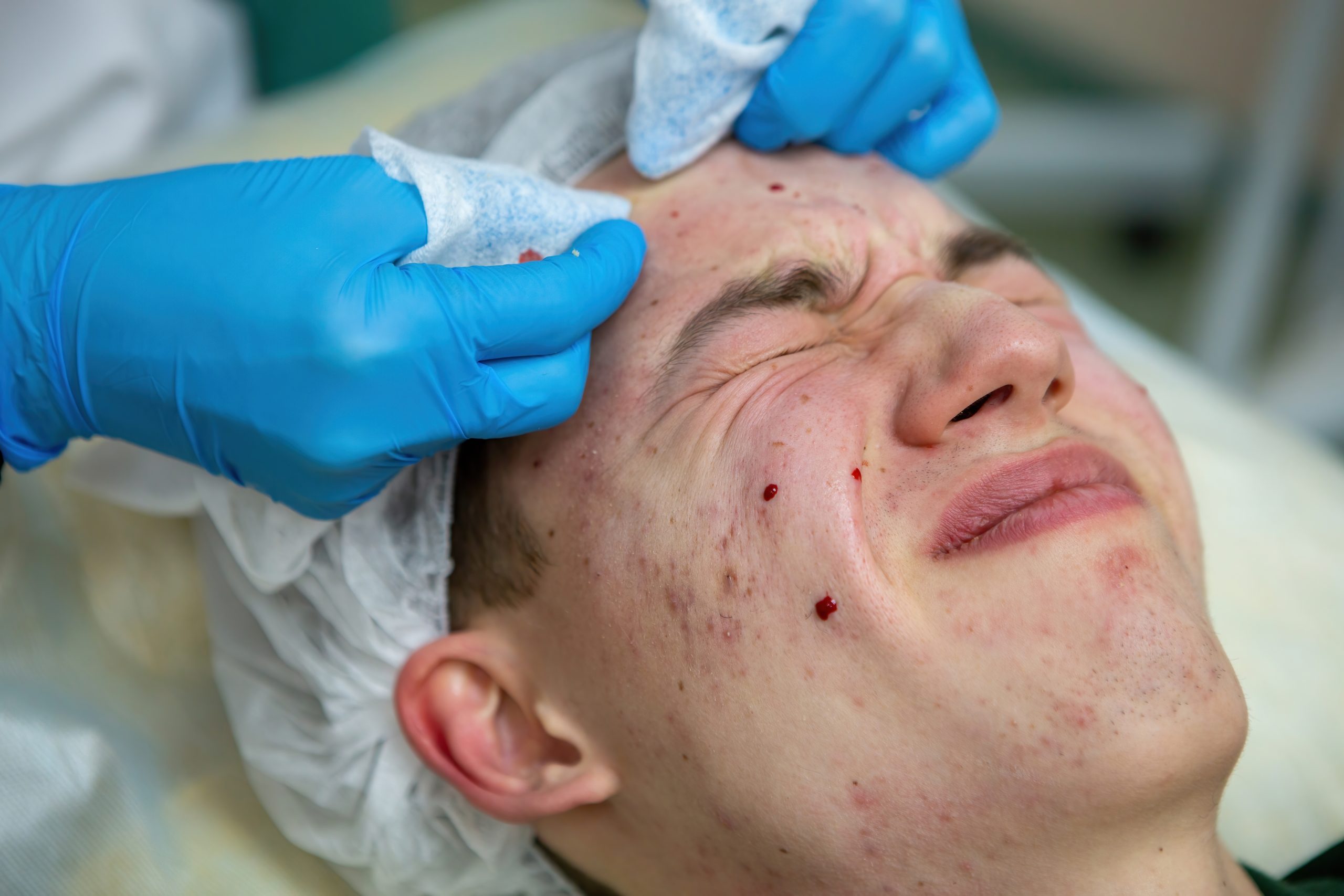
If you have mild to moderate forehead acne, you should see good results by making a few changes. There are two active ingredients found in most over-the-counter medications that help treat acne.
Salicylic acid, a form of BHA (Beta Hydroxy Acid), goes inside the pore and loosens the debris that has clogged it. This helps clear the pore so it doesn’t hold dead skin cells and oils. It’s particularly helpful for whiteheads and blackheads, and is found in cleansers and toners.
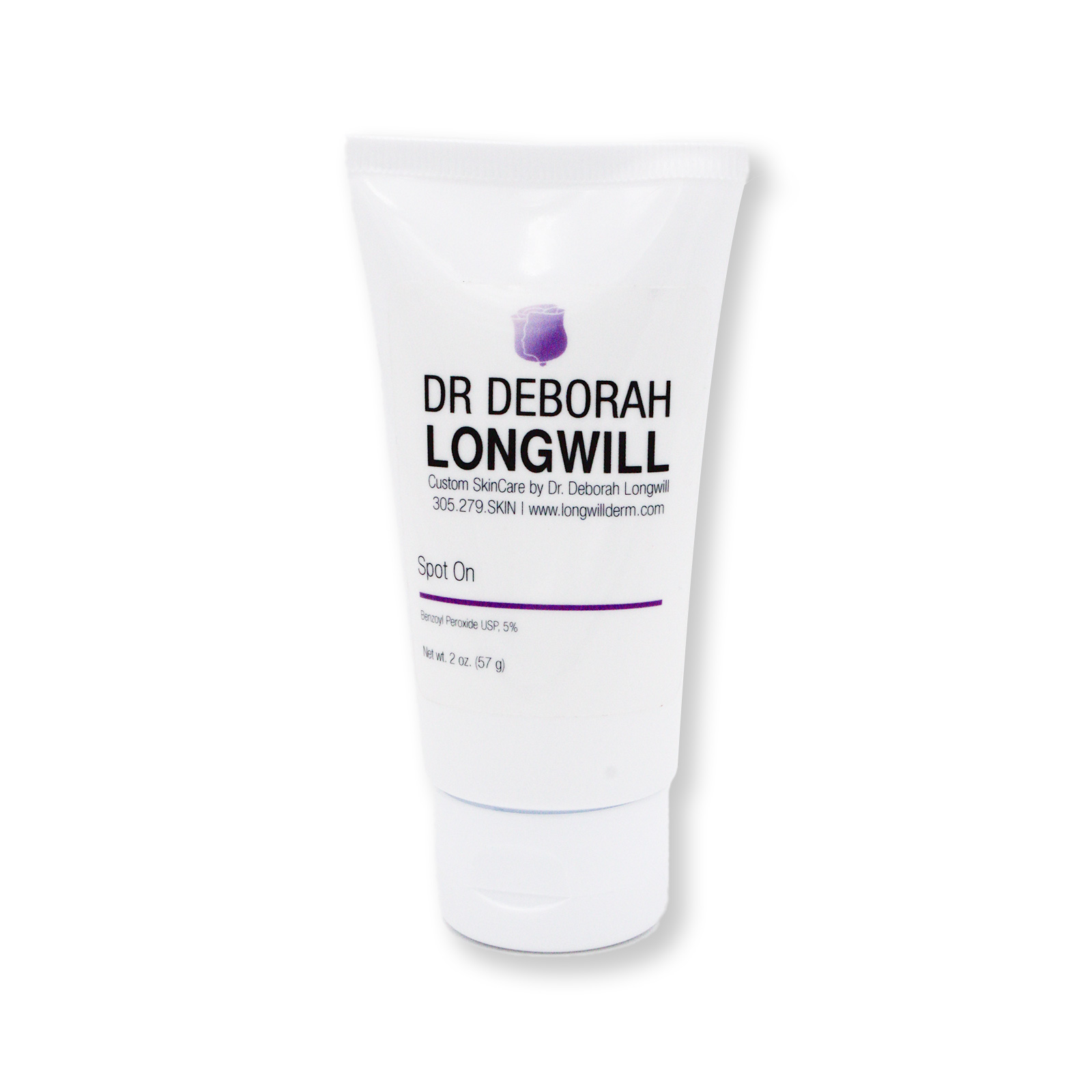
Benzoyl peroxide, on the other hand, kills the bacteria inside your pores and reduces inflammation. For example, Dr. Longwill offers a Benzoyl Peroxide 5% Wash that’s gentle enough for daily use.
A good, non-comedogenic cleanser will help clear your skin without clogging your pores or disrupting the skin’s natural barrier. A mild, foaming cleanser is best for oily skin types and can be used twice a day. Dr. Longwill’s Green Tea Cleanser is an effective product for acne-prone skin because the plant’s antioxidants calm inflammation as it cleans.
You have to moisturize and hydrate after treatment, and this is one area where many people with oily skin mess up. If you skip moisturizer thinking everything is already too greasy for it to help, you’ll likely be setting yourself up for more trouble. Overly dry skin produces *more* oil to compensate, resulting in more trouble. A light, non-comedogenic formula like the Ultra Lite Moisture Dew helps maintain your skin’s protective barrier without adding to pore-clogging.
When to See a Dermatologist
A consistent skincare routine is usually enough to manage mild to moderate acne. However, there are times when it’s not just smart to see a dermatologist for acne; it’s the quickest way to get results.
Book an appointment if:
- You have a lot of painful, deep, or cystic acne
- You’ve followed a treatment regimen consistently for six to eight weeks without much improvement
- You’ve had scarring or hyperpigmentation (dark patches) from acne
- You’ve noticed that your breakouts are linked to hormones or have increased significantly during a hormonal transition
- You’re unsure if what you’re treating is actually acne
Dr. Longwill has been treating severe acne and complex acne-related concerns since 1992. She provides prescription-strength topicals and, if necessary, systemic medications for patients who can’t achieve their skin goals with a gentle cleanser and spot treatment. Dr. Longwill also discusses hormonal birth control and/or spironolactone with her hormone-related acne patients, if necessary, as these address acne on a deeper level, not just on the surface.
A Skincare Regimen That Actually Works
The best way to prevent acne is consistency. A good skincare routine for oily or acne-prone skin doesn’t need 10 steps, but it needs to be a regimen that actually gets done every morning and evening.
AM: Wash with a gentle cleanser, apply an active product such as salicylic acid or benzoyl peroxide, apply a light moisturizer, and seal with a non-comedogenic SPF. Sun exposure can make acne worse and cause the appearance of acne marks to linger. This step is non-negotiable.
PM: Wash your face again to cleanse all oil, product, and debris from the day. If you use leave-in styling products or hair oil, apply those before cleansing, so you can be sure your face cleanser will wash them away from your forehead and hairline. Follow with any serums you need and a moisturizer.
Some habits that make a significant difference: change your pillowcase once a week, because it’s a big contributor to forehead breakouts. Oil and bacteria gather throughout the night, and your forehead rests directly on it. Don’t touch your face! And think about which hair products you use along your hairline.
If your acne continues to flare despite following a treatment regimen, contact Dr. Longwill’s dermatology practice in Miami. Her acne products are specifically formulated for acne-prone and sensitive skin, backed by a holistic, research-based approach she has used in patient care for more than 30 years.