No products added!
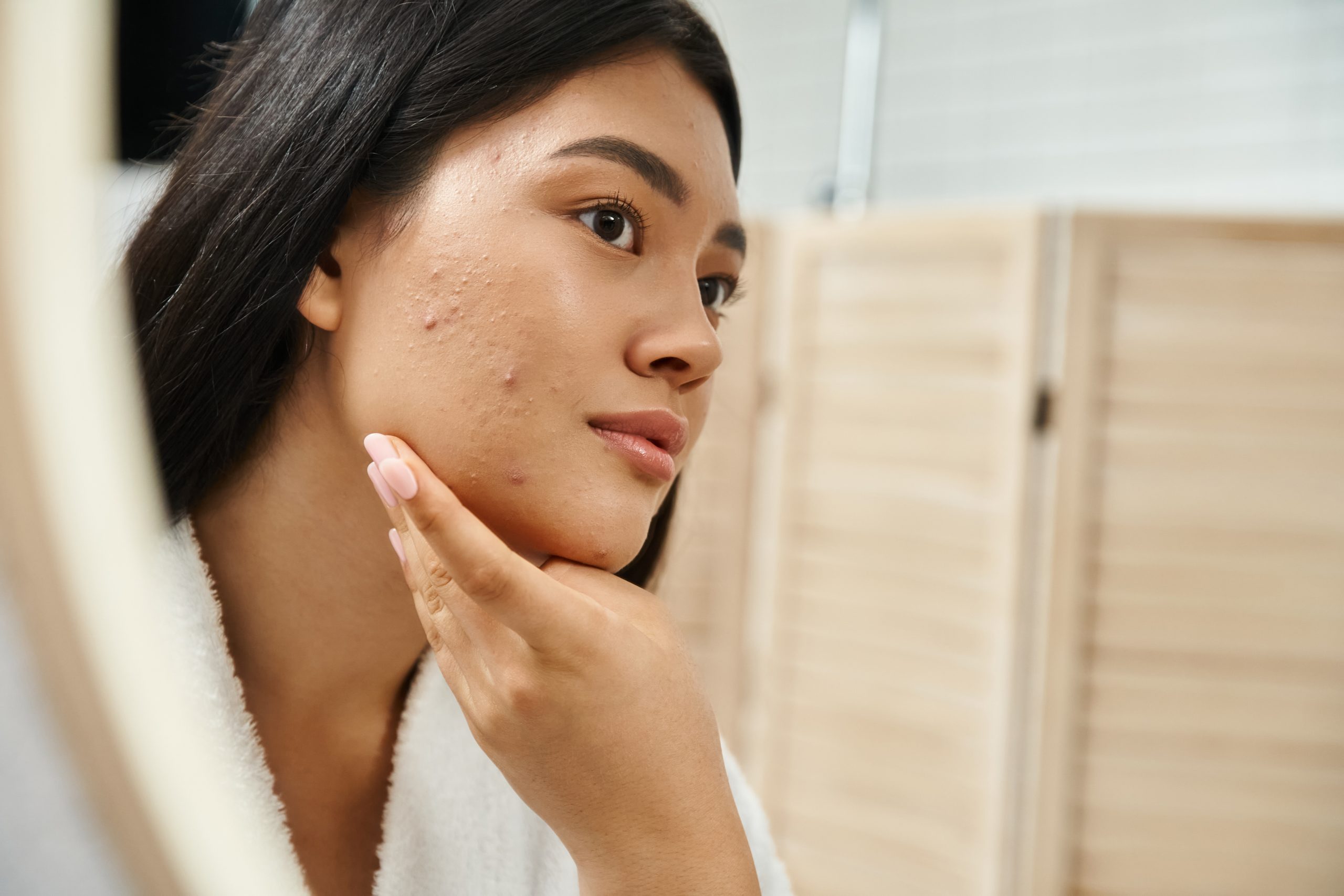

Most people’s first encounter with a breakout happens somewhere between middle school and high school, usually the morning of something important. Well into adulthood, many people continue to struggle with breakouts and look for effective ways to treat them. According to the American Academy of Dermatology, almost 50 million people in America experience acne each year, and 15% of women aged over 25 years still suffer from it. Acne is more than just pimples; it can include deep, painful cysts or recurring blackheads.
You might see some improvement by trying different skincare routines, but long-term results are often harder to achieve due to common misconceptions about acne and its treatment. Simply put, you might be using the wrong method to treat the wrong form of acne.
Dr. Deborah Longwill, DO, FAOCD, has spent over 30 years at her South Florida practice sorting out exactly that problem. Dr. Longwill and her team listen to you, evaluate your condition, and create an effective treatment plan.
Below are 10 ways to address breakouts of all types and severity levels.
 Basic Information on Acne
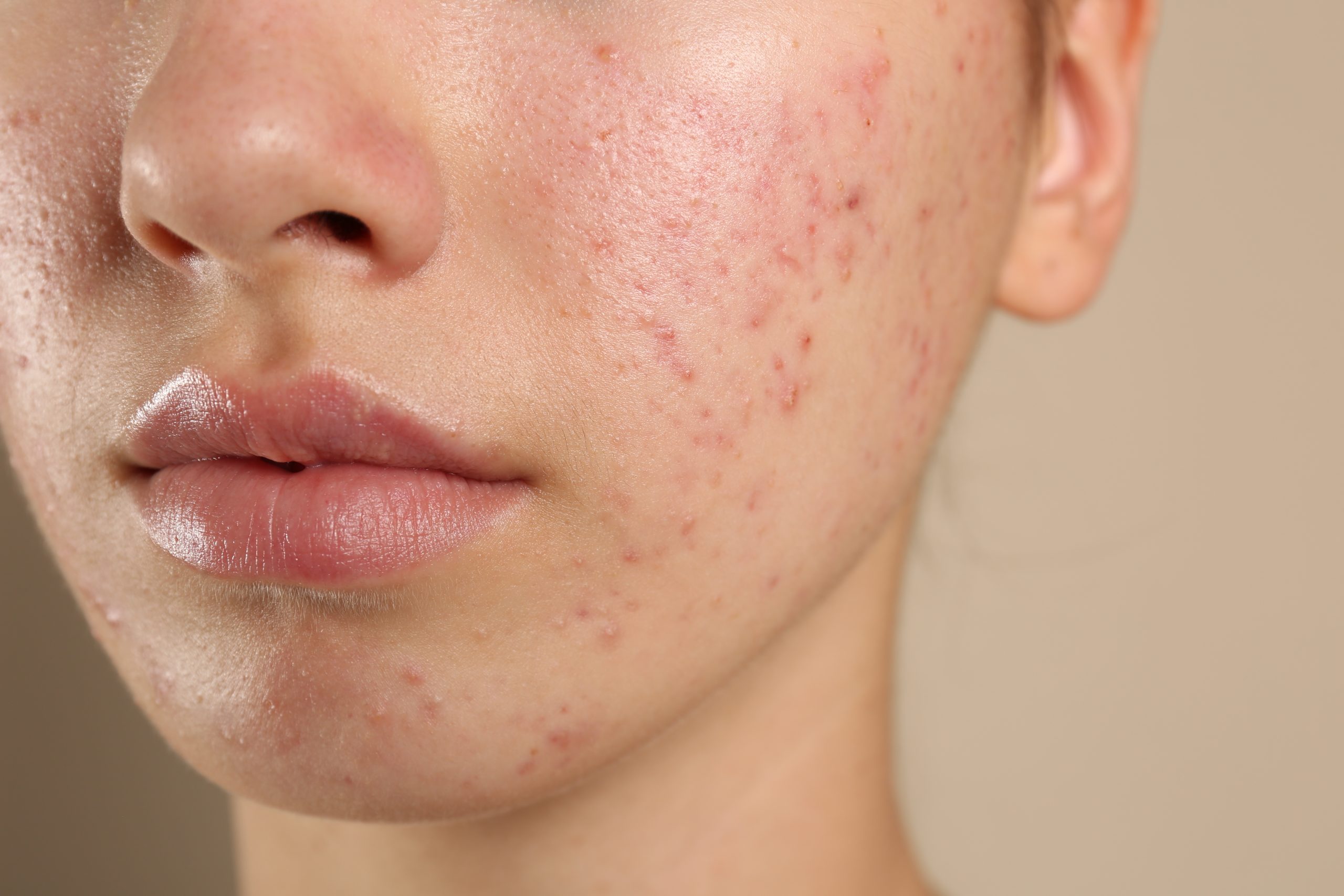
Acne is an umbrella term for different types of breakouts that can be triggered by various factors. It’s not always easy to identify your specific type of acne. Let’s start with some basics first.
Types of Acne
The most common type of acne is acne vulgaris. It includes comedones, papules, and pustules. There are also:
- Mild acne – the presence of comedones with low levels of inflammation;
- Moderate acne – red papules and pustules across the surface of the skin;
- Cystic acne and nodular acne – painful deep nodules and cysts that cause a lot of scarring;
- Hormonal acne – mostly occurs on the jawline and chin;
- Acne fulminans and Acne conglobata – rare but severe conditions that require immediate medical treatment.
Causes of Acne
Acne develops when pores become clogged with excess sebum, dead skin cells, and bacteria. Several factors can contribute to the development of acne.
- Hormonal imbalance causing sebum formation
- Proliferation of Cutibacterium acnes, the bacterium that leads to inflammatory acne
- A buildup of skin cells in pores instead of normal shedding
- Genetics – you’re more likely to develop acne if it runs in your family
- Diet, stress, medications, and skincare routines that provoke acne breakouts
Symptoms of Acne
Symptoms may differ depending on the severity of the disease and its particular type.
- Whiteheads and blackheads that appear mostly on the face, neck, chest, shoulders, and back;
- Red or pus-filled inflamed papules;
- Nodules or cysts that are formed deep within the skin;
- Hyperpigmentation and scars after healing.
10 Treatments for Acne, From Mild to Severe
1. Benzoyl Peroxide
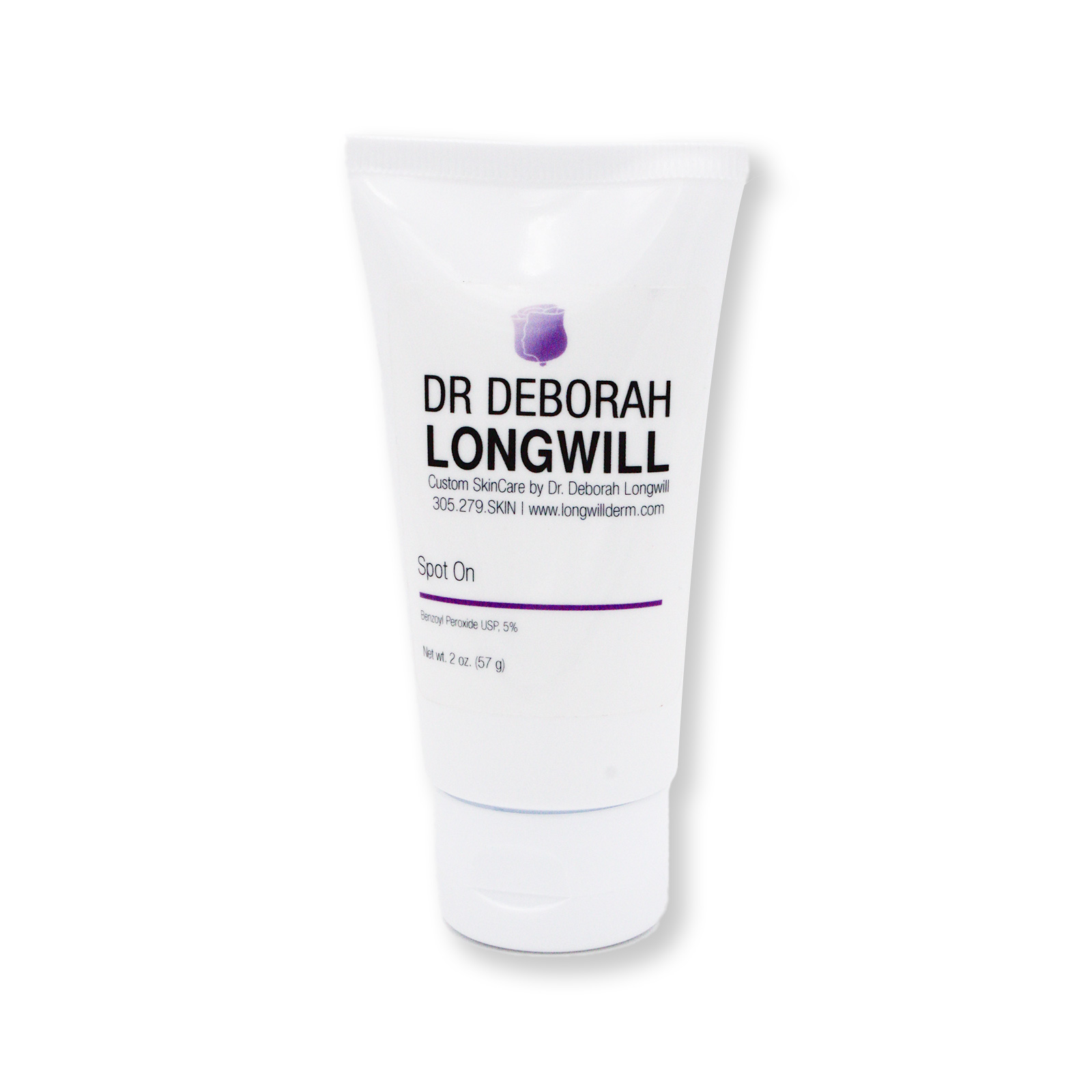
Benzoyl peroxide has been used for years and remains one of the most effective and well-researched topical acne treatments. In simple terms, benzoyl peroxide delivers oxygen into the pores, killing P. acnes, the bacteria responsible for inflammatory acne. Simultaneously, it reduces sebum production while removing dead skin cells accumulating inside the pore. Dr. Longwill offers a 5% Benzoyl Peroxide Acne Wash, which is effective when it comes to fighting moderate breakouts, especially in people who do not want to use a prescription treatment.
2. Topical Retinoids
Topical retinoids are derivatives of vitamin A, and their main effect is increased epidermal cell turnover. This, in turn, leads to fewer dead skin cells being accumulated inside the pore, resulting in fewer comedonal and inflammatory lesions. Topical retinoids are considered to be the most effective among non-prescription drugs for acne. Moreover, retinoids help fade post-inflammatory hyperpigmentation left by an inflamed lesion after healing.
3. Topical Antibiotics
Clindamycin and erythromycin are the topicals used most often for their ability to kill surface bacteria on the skin. Almost every time you see a prescription topical antibiotic, it comes paired with benzoyl peroxide—partly to reduce antibiotic resistance, which has become a real challenge for dermatologists. On their own, topical antibiotics lose their effectiveness over time, so they’re combined with benzoyl peroxide or a retinoid to prevent this.
4. Oral Antibiotics
If topical treatments aren’t enough, especially for moderate to severe acne, dermatologists may prescribe oral antibiotics. Commonly, this is either doxycycline or minocycline; both of these belong to the tetracycline class of antibiotics and act systemically. These medications can lead to antibiotic resistance, so they’re typically used only for a limited time, usually a few months. In any case, a patient is also going to take topical agents.
5. Hormonal Therapy
If a woman develops acne during her adulthood, hormonal imbalances might be to blame. To address those, doctors might prescribe combined oral contraceptives with both estrogen and progesterone. An alternative might be spironolactone—an anti-androgen, which is especially useful for cyclically recurring acne in response to the menstrual cycle and localized around the jawline and chin. Those medications are not intended for cosmetic purposes but rather used for the treatment of a medical condition.
6. Isotretinoin
This medication is used for treating the most severe forms of acne: either nodulocystic or nonresponsive. The reason for this is that isotretinoin treats four conditions that contribute to the development of acne: it promotes keratinization and desquamation, inhibits excessive sebum production, reduces proliferation of C. acnes bacteria, and controls inflammation. Unlike other treatments, isotretinoin is usually taken for four to six months, after which symptoms often significantly improve or resolve. However, it must be taken under the supervision of a doctor due to certain contraindications and possible side effects.
7. Chemical Exfoliation
Unlike physical exfoliants that scrub away dead skin cells, chemical exfoliants such as salicylic and glycolic acids loosen the bonds that hold those cells together so they don’t get trapped inside your pores. Salicylic acid is especially useful because it’s lipophilic, meaning it can penetrate the hair follicle where acne starts. These exfoliation resources from Longwill’s practice explain how to use exfoliating products safely, since excessive exfoliation can actually intensify inflammation.
8. Professional Treatments
Sometimes you need to speed up the process a bit – or address scarring along with active breakouts. In-office treatments can help you do just that. Correctly performed chemical peels will not only lower the number of lesions but also help with texture. Some types of lasers and lights work against bacteria and oil glands. Since 1992, Dr. Longwill has focused on integrating these treatments into comprehensive care plans rather than offering them as standalone procedures.
9. Moisturizing and Supporting Skin Barrier
One of the most bizarre ways people with acne can sabotage themselves is by refusing to moisturize their skin. It makes sense to assume that applying another layer of product to oily skin might aggravate the problem; however, quite the opposite effect is common. By depriving your skin of moisture, you stimulate it to produce even more sebum. Besides, most of the available treatments (especially retinoids and benzoyl peroxide) affect the integrity of your skin barrier, and proper moisturizing prevents irritation. Opt for fragrance-free, non-comedogenic formulas tested on sensitive skin.
10. Regular and Simple Face Washing Routine
Proper washing is crucial in treating any skin condition and preventing the breakout of acne. What you want is a non-aggressive cleanser that washes away the dirt, grime, sebum, and pollutants without compromising your natural barrier. An interesting component for cleansing would be green tea extract; it soothes and reduces inflammation without damaging the skin barrier. Harsh sulfates are best avoided.
What You Need to Know About the Process of Treating Acne
No one ever tells you this, but most of the procedures mentioned above take six to twelve weeks to take effect. Sometimes even longer than that. This doesn’t mean anything is wrong—that’s simply how the skin heals. Cell turnover takes its time. The same is true for bacterial colonization and hormonal activity.
So don’t let yourself down by switching products every couple of days or abandoning the whole thing halfway through the treatment. Consistency does most of the work, even when it doesn’t feel like it.
How to Tell It’s Time for a Consultation With an Acne Specialist
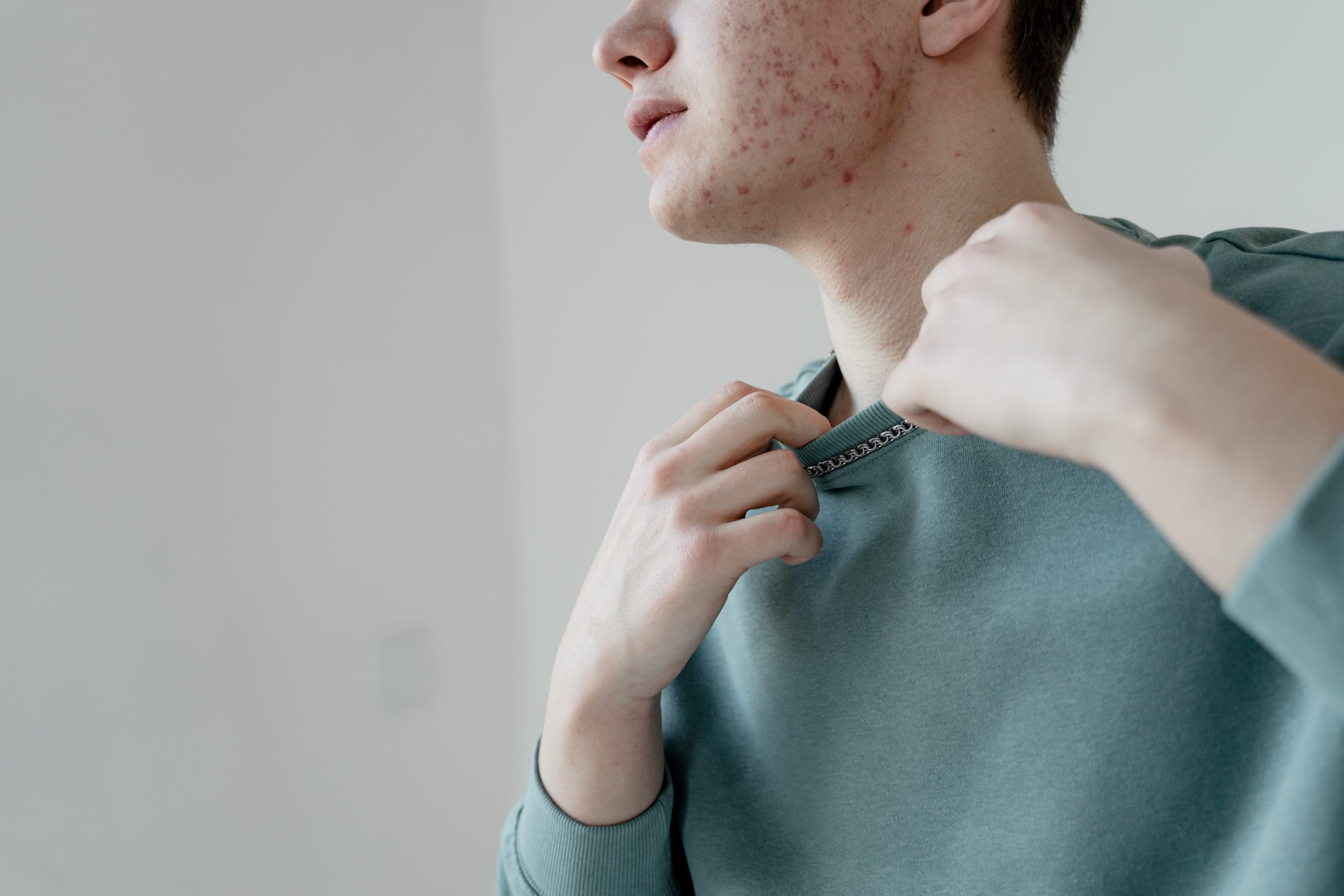
Acne is arguably one of the most efficiently treated skin disorders. However, there is no single treatment that works for everyone. An effective treatment of acne requires precise diagnosis, identification of the possible causes, and prescribing proper medications.
The American Academy of Dermatology advises sticking to the schedule of your treatment even if you see no changes within six to twelve weeks.
The key here is consistency. Deviations from the treatment process, misuse of aggressive products, or frequent product substitution do not allow skin to recover.
Deborah Longwill, DO, FAOCD, has been working at the Miami Center for Dermatology, specializing in dermatology since 1992. Their acne treatment program includes customized therapy, dermatologist-recommended products, and personalized consultations with a skilled specialist. If you’re struggling to match the right treatment to your specific type of acne, that’s exactly what a consultation is for.