No products added!
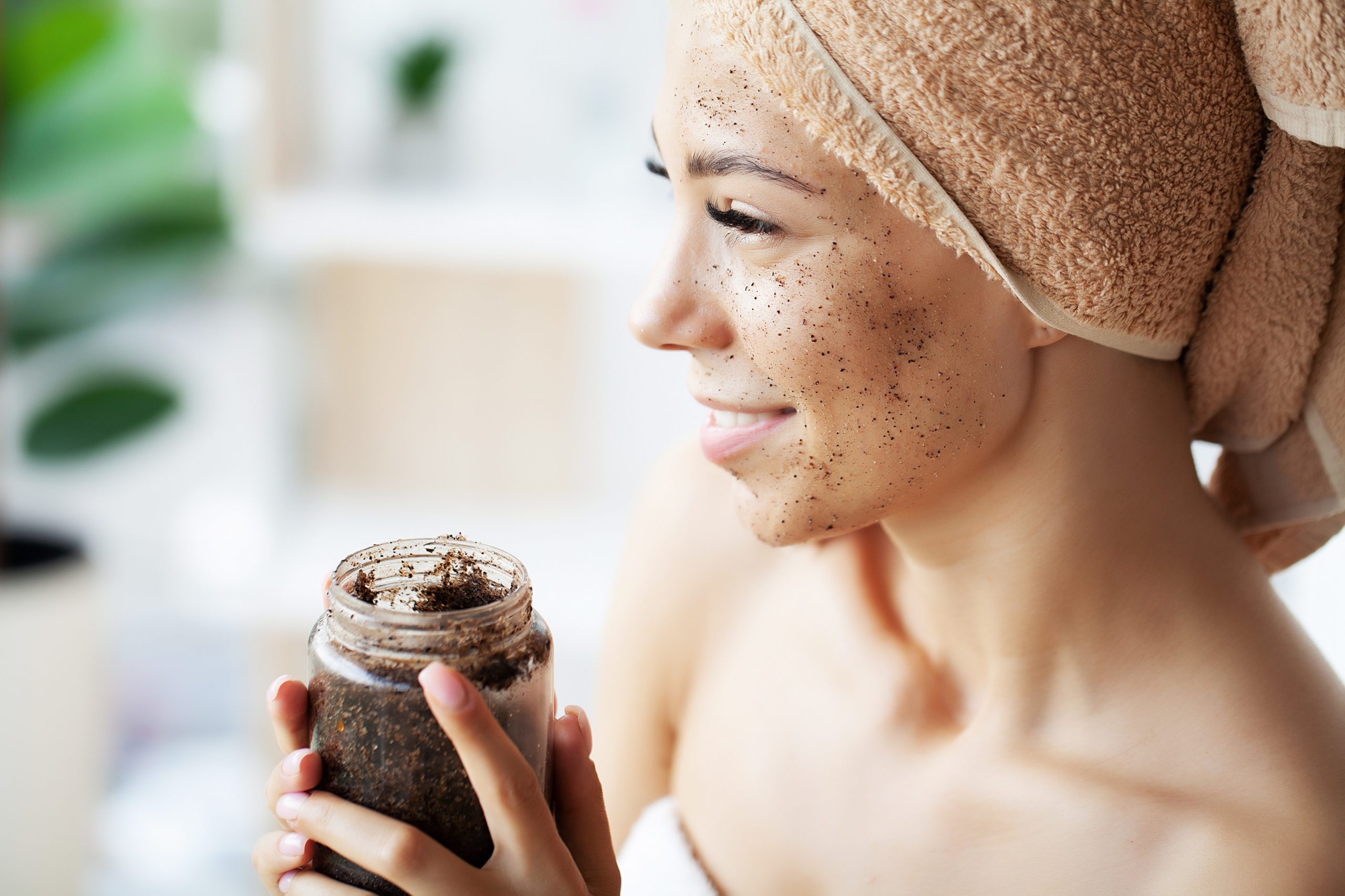

Exfoliating is a skin-care routine many people tend to neglect. However, when done properly, it will help brighten and soften your skin and enhance product penetration. Conversely, if one has sensitive skin, it’s rather difficult to exfoliate properly without breaking out or getting irritated.
At Dr. Longwill Skincare, we make everyone feel confident about the appearance of their skin. Exfoliation involves removing dead skin cells that accumulate on the skin’s surface. Dead skin cells can cause dull-looking skin and can be felt as a textured, uneven surface. They also clog pores, leading to breakouts.
By exfoliating effectively, you are aiding:
- New cells are produced in the skin.
- Moisturizers and serums are more readily absorbed.
- Uneven skin texture softens and brightens.
- Fine lines look smoother.
For people with sensitive skin, the thought of exfoliation may seem daunting. However, using the correct exfoliation technique can make it a gentle experience for you.
Exfoliation can be broadly categorized as either physical or chemical.
Physical Exfoliation
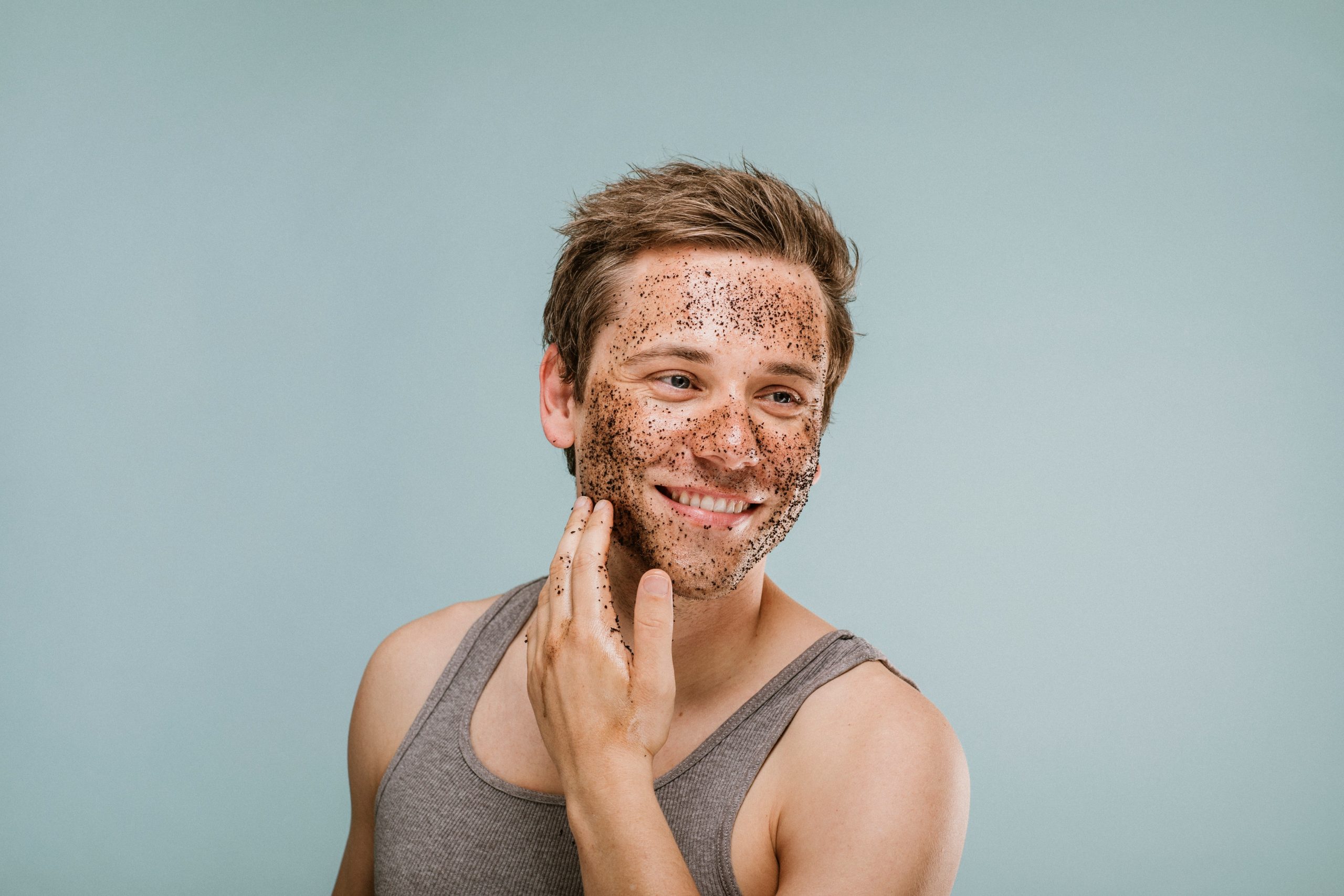
This refers to removing dead skin cells with small particles or exfoliating tools. Examples include sugar scrubs or an exfoliating sponge.
With sensitive skin, physical exfoliators can be too harsh. If you do decide to use a physical option, be sure to use a very light touch if you choose one with ultra-fine particles. Many people use chemical exfoliators because they find them to be more gentle.
Chemical Exfoliation
This involves using acids or enzymes to make it easier for dead cells to slough off.
- Alpha Hydroxy Acids (AHAs) like lactic or mandelic acid.
- The beta Hydroxy Acid (BHA) is salicylic acid.
- Enzyme exfoliants from fruits, such as papaya or pineapple.
For sensitive skin, it is a good idea to use a low concentration of lactic and/or mandelic acid. Lactic and mandelic acids are larger molecules and will be more gentle on the skin. Salicylic acid may be a good option if a client occasionally gets congested, but it may be a bit too harsh on very sensitive skin.
1. Learn What Exfoliation Does to Sensitive Skin
Exfoliation removes the layer of dead skin cells that naturally forms on the skin’s surface. In cases when these cells are not evenly shed, the skin may be dull, uneven, or rough in texture.
For sensitive skin, exfoliation should be controlled and intentional. This aims at exfoliating the skin in the least amount of time without causing an inflammatory response or compromising the skin barrier.
The major advantages of gentle exfoliation are:
- Exfoliating skin cells painlessly.
- Enhancing the general skin surface.
- Enhancing the absorption of skincare products.
- Supporting even skin tone
Excessive exfoliation can lead to redness, scaly skin, or breakouts. The most suitable exfoliator for sensitive skin is not a rough one.
2. Choose Gentle Exfoliators Instead of Harsh Scrubs
Most conventional scrubs use rough particles to scrub the skin. For individuals who have sensitive skin, such physical exfoliants may promote micro-tears and reactivity.
A mild exfoliator must be soft on the skin, and it should be able to clean up easily. The chemical exfoliants, which are finely milled scrubs or low-strength, are generally better received by the sensitive skin.
Once you apply exfoliating products, examine how your skin feels afterward. Smooth, calm skin is the goal. When the exfoliant burns or tightens, then it is not suitable for your skin type.
3. Consider Chemical Exfoliants for More Even Results
The process of chemical exfoliation separates dead skin cells by weakening their connections, rather than relying on friction. This is what has made chemical exfoliants a good choice for several individuals with sensitive skin.
Low concentrations are important. Gentle chemical exfoliants are slow-acting, helping reduce irritation.
Characteristic soft-chemical exfoliants are:
- Surface exfoliation: Alpha hydroxy acid (AHA).
- Salicylic acid on oily or acne-prone skin.
- Special formulae that deal with sensitive skin.
Chemical exfoliants are effective at enhancing the texture and tone of the skin while preserving the skin barrier.
4. Match Your Exfoliator to Your Specific Skin Type
The sensitive skin cannot be considered a single category. Even with sensitivity, there is a varying response of different types of skin to exfoliation.
Dry skin normally benefits from exfoliating products that also hydrate. Chemical exfoliants can be applied more gently to oily skin than physical exfoliants. Combination skin needs balancing, whereas mature skin needs exfoliation to aid skin renewal and address fine lines.
When selecting exfoliators to use on sensitive skin, it is important to always consider the type of skin you have, and not only sensitivity.
5. Limit How Often You Exfoliate
One of the most frequent causes of irritated skin is over-exfoliation. Even mild exfoliators can cause problems when used excessively.
Overall rules regarding delicate skin consist of:
- Exfoliating one or twice a week.
- Avoiding daily exfoliation.
- Give the skin some time to recuperate.
Over-exfoliation manifests as reddening, stinging, flaky skin, and increased sensitivity. Light exfoliation must not irritate the skin, but it must make the skin feel better.
6. Apply Exfoliators Correctly to Reduce Irritation
It is all about the application technique rather than the product you choose. Using an exfoliator on wet skin prevents friction and enables the product to evenly cover the skin.
Always begin with clean skin. Exfoliation is not advised soon after shaving or with other dynamic skincare products. Sensitive skin is particularly sensitive to light pressure and short contact time.
Appropriate technique promotes soft exfoliation and helps preserve a healthy skin barrier.
7. Protect the Skin Barrier After Exfoliation
Maintaining hydration and preventing irritation are dependent on the skin barrier. Exfoliation temporarily elevates skin permeability, and post-exfoliation care is therefore paramount.
After exfoliating, focus on:
- The application of a soft moisturizer.
- Not using alcohol-based products.
- Wearing calming skincare products.
Restoring the exfoliation skin barrier helps maintain skin balance and prevent dryness. The step is particularly critical for sensitive skin in 2026 and beyond, as environmental stressors are becoming more prevalent.
8. Avoid Fragrance and Unnecessary Irritants
One of the most frequent triggers of reactive skin is fragrance. Natural fragrances may also be irritating to individuals with sensitive skin types.
Use products with few ingredients when making exfoliating products. The fewer additives, the fewer chances of getting irritated. An exfoliator should be gentle, work on purpose, and avoid unnecessary extras.
The most appropriate formulations for maintaining healthy skin are calming and non-detergent.
9. Pay Attention to How Your Skin Responds
The best gauge of whether you can use an exfoliator or not is the reaction of your skin. After exfoliation, the skin should appear smoother and brighter, with no residual redness.
In the case of irritation, discontinue the use of the product and leave the skin to heal. The dermatologist should be board-certified and can assist in determining whether exfoliation needs to be adjusted to accommodate super-sensitive skin or underlying skin defects. Listening to your skin is very important for its long-term health.
10. Make Exfoliation Part of a Balanced Skincare Routine
Exfoliation can be used together with a regular skincare routine. Washing, drying, and sunscreen can help keep skin healthy and improve its appearance. A balanced routine helps exfoliation deliver benefits like softer, more even skin tone, and overall skin renewal, without irritating your skin.
Light exfoliation is not about doing less for your skin. It is doing what your skin can, in fact, endure and work well in the long run. Aggressive exfoliation can cause irritation, breakage of the barriers, and unpredictable outcomes for people with sensitive skin.
An exfoliator needs to be selected carefully so that it cleanses dead skin cells over time without triggering inflammation that makes the skin uncomfortable. When exfoliation respects the skin barrier, the skin is better positioned to retain hydration, control oil production, and recover between treatments.
Light exfoliation helps to maintain the health of the skin in the long term, as it helps in:
- Taking off dead skin cells without causing micro-irritation.
- Maintaining the Skin barrier helps reduce sensitivity over time.
- Making the skin look better in a predictable but controlled manner.
- Enhancing the absorption of skincare products.
- Lessening the chances of redness, flaking, and post-exfoliation pain.
At Dr. Longwill Skincare, we focus on exfoliation that works with the skin, not against it. Sensitive skin reacts to consistency, not intensity. Exfoliating products gently exfoliate the skin to keep it comfortable and resilient while providing noticeable effects of smoothness and clarity.
With the right method, exfoliation will be a complementary action in your skincare regimen and not a cause of stress to your skin.
Do you not know the exfoliation technique to use on your skin?
Our team will be happy to assist you in selecting products and routines that will not irritate sensitive skin.