No products added!


If you’re into skincare and trying to build a routine that really works, you’re probably aware that the key isn’t about using more and more products, but about using the right ones. Skincare is no longer just about applying creams and lotions on your face. It’s more of a science-based approach tailored to your skin’s needs. This is why a serum is often considered a key part of any skincare regimen.
A moisturizer or cream is often rich and creamy, while a serum is often lighter and gel-like. This allows it to penetrate better into your skin, making its active ingredients work more effectively. If you’re into skincare and want your face to look and feel its best, a face serum really does make a big difference.
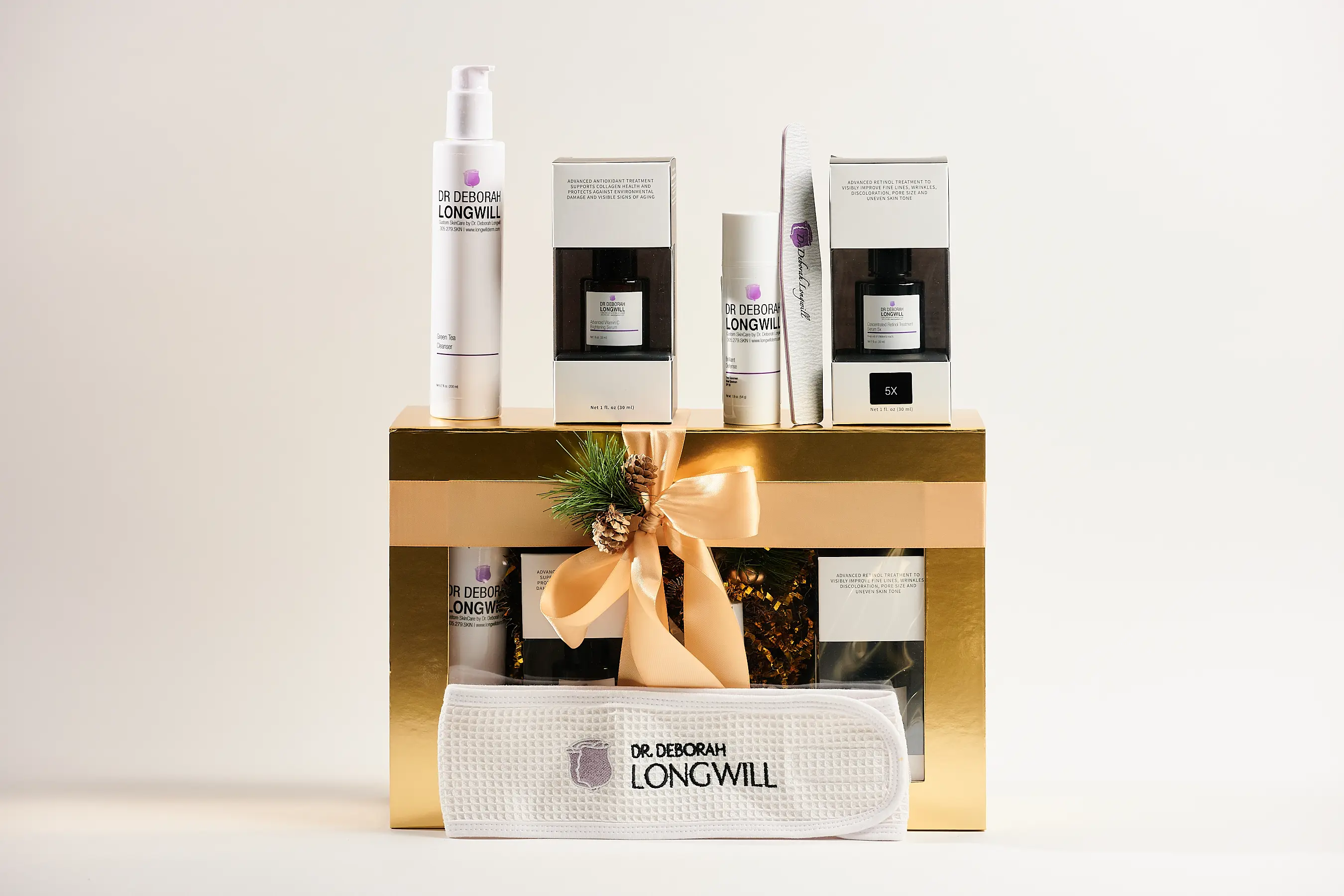
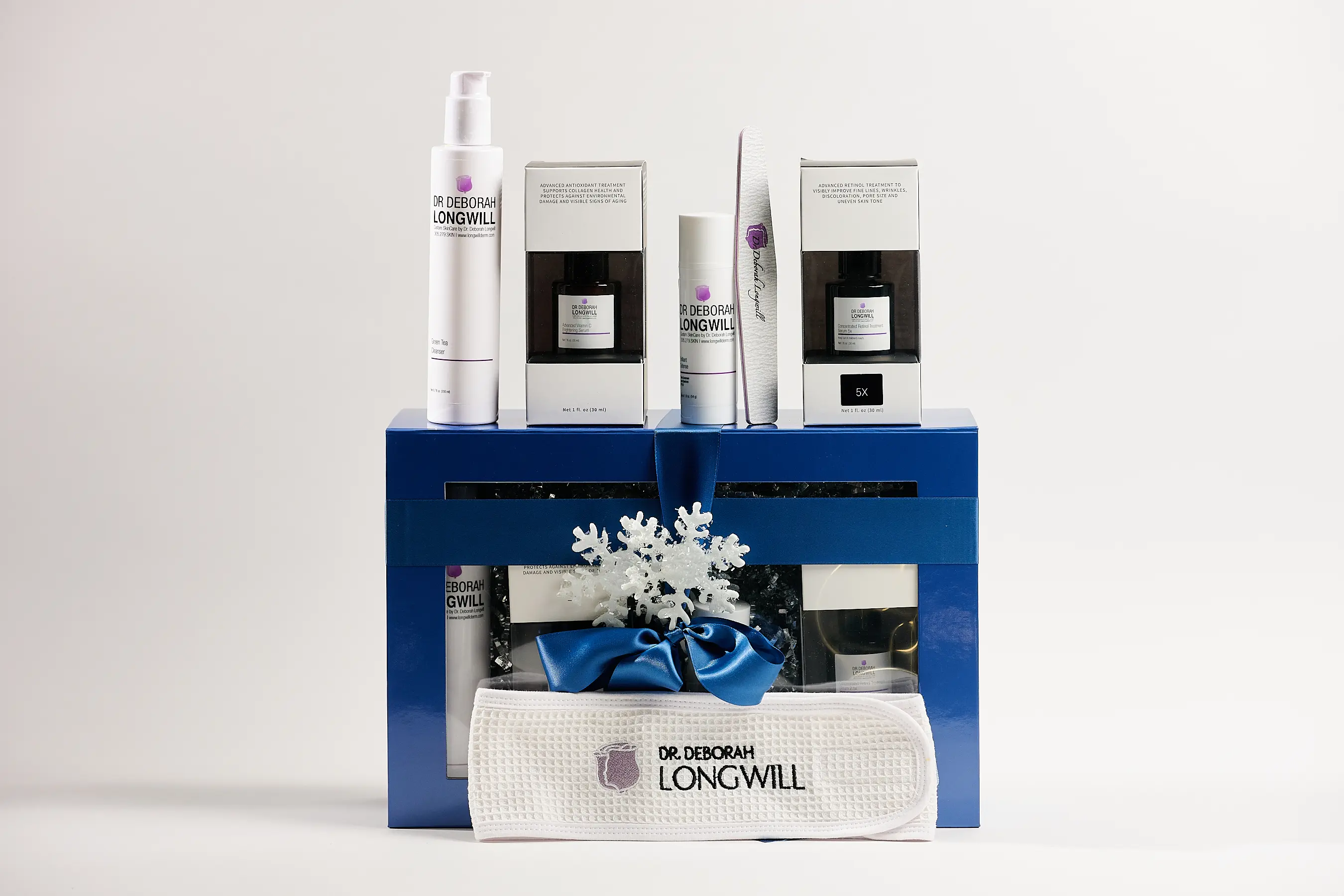
At Dr. Longwill Skincare, our objective is to supply serums that are simple to use yet effective. Our serums contain active ingredients proven to work, such as vitamin C, hyaluronic acid, niacinamide, retinol, peptides, and vitamin E. Our serums are designed to moisturize, tone, and care for your skin. Our vitamin C serum contains L-ascorbic acid, which tones, softens, and improves the look of your skin. Our hyaluronic acid serum is designed to lock in moisture while keeping your skin hydrated.
Our serums are fragrance-free and work for every skin type, from oily to sensitive to mature skin. Although every person’s skin is different, our serums are designed to work for your skin while remaining simple to use. Some people prefer to apply a single serum to their skin every day, while others prefer to mix and match different serums as they see fit.
Applying a serum to your skin is a vital part of your skin care routine that can help care for your skin while providing the results you want, such as natural-looking skin that looks and feels great every day.
What Exactly Are Serums?
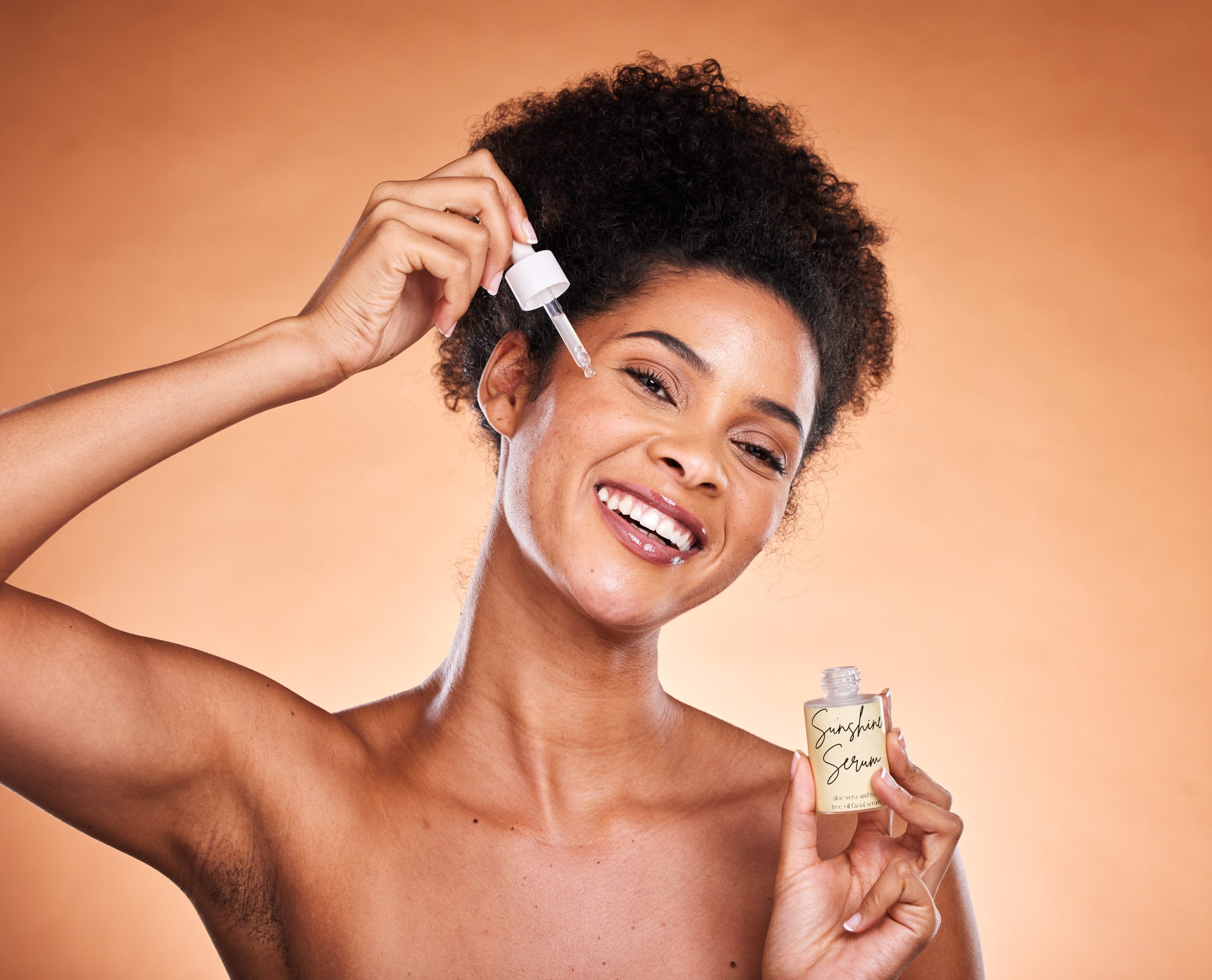
A serum is a skincare product that is intended to get to your skin more intimately than most creams are able to. It is light, thin, and designed to absorb into the skin quickly. While a cream or lotion can sit on the surface of the skin, a serum is intended to penetrate a little deeper to address specific skin concerns.
Moisturizer is like a jacket that locks in moisture to protect the skin. The serum is like the treatment beneath the jacket, delivering the benefits of its ingredients to the skin.
Unlike face moisturizers and face creams, face serums have smaller molecules. This enables the face serum to be absorbed very fast into the skin. This also means the face serum can penetrate the layers of the skin where repair, hydration, and renewal occur.
What Makes Serums Different
Serums are very unique because, unlike moisturizers, face serums are not general products. They are specifically made to target certain skin concerns. Some of the unique features of face serums include:
- High concentration of active ingredients: Vitamin C, hyaluronic acid, niacinamide, peptides, retinol, and vitamin E.
- Lightweight and easy to spread and absorb: Face serums are usually similar to gels.
- Targeted formulas: Face serums are made to target specific skin concerns, which include dark spots, uneven skin tones, fine lines, acne, dry skin, and dull skin
Due to the unique features of face serums, there is a face serum for every skin type, whether you have oily skin, combination skin, sensitive skin, acne-prone skin, or mature skin.
How Serums Nourish the Health of Your Skin
Serums are designed to target different skin needs. For example: Vitamin C serum, especially those containing L-ascorbic acid, helps to brighten the complexion, even out skin tone, and reduce the signs of aging.
Hyaluronic acid serum, which is a hydrating serum, adds moisture to dry skin, improves the skin’s barrier function, and improves the skin’s feel without the heaviness of a moisturizer.
Serums containing niacinamide or peptides help to smooth the skin’s texture while improving the skin’s strength.
Most serums today are fragrance-free, making them safe to be incorporated into the daily routine.
Serums are not meant to be used as a replacement for other skin care products. For a serum to be most effective, the right layering of the skin care routine is necessary. This means:
- Washing the face to get rid of impurities that have accumulated on the skin.
- Applying a serum to target the major skin concerns.
- Moisturizing to lock the serum in.
- Using a sunscreen to protect the skin from the sun during the day.
Some people prefer to apply a single serum to their skin every day, while others prefer to mix different serums to target different skin concerns. When the right serum is applied regularly, the skin improves to the point that texture is smoother, wrinkles are reduced, barrier function is strengthened, and the skin looks better overall.
Who Needs a Serum?
If you enjoy skincare and pay close attention to how your skin looks and feels, a serum can be one of the most beneficial steps in your routine. Not all people will benefit from all types of serums, but most will benefit from the right serum at the right time. Serums are also helpful when you want to take the next step beyond the basic skincare routine, such as cleansing and moisturizing, and want to address skin concerns more intentionally.
Many skincare enthusiasts start using a serum when they see the early signs of aging, such as fine lines, uneven skin textures, or loss of firmness in the skin. Serums, such as those containing vitamin C, retinol, or peptides, help support the skin’s renewal process, allowing it to look smoother, more even, and more radiant, without increasing the complexity of the routine.
Serums are also the go-to remedy for those struggling with dry or dehydrated skin. If you have skin that feels tight, flaky, or uncomfortable even after moisturizing, a hydrating serum could be the answer to your problems. Serums with hyaluronic acid are helpful in replenishing moisture in the skin, allowing the skin to feel softer, more hydrated, and more balanced throughout the day.
For those seeking to improve the look and tone of their skin, serums are typically the first product they turn to. Dullness, tone issues, and dark spots can be caused by sun exposure, stress, or even acne flare-ups from the past. With the help of antioxidants and tone enhancers, the skin can be smoothed out to a healthy glow, which is always a welcome sight for anyone seeking a high-gloss look.
Individuals suffering from acne or clogged pores can also use serums to their advantage, even if they have other treatments for their acne issues. Serums with light formulas and active ingredients such as niacinamide or salicylic acid have the ability to calm the skin and provide a clearer look over time without drying the skin out. This is a good option for anyone with acne issues and dry skin.
Finally, there are the skincare enthusiasts seeking to use serums as part of their preventative measures for their skin. Even if the skin is currently in good condition, a serum with antioxidants can protect the skin from daily exposure to the elements and signs of aging to come.
How to Choose the Right Serum
You don’t have to feel confused about choosing the right serum. If you’re a skin care enthusiast who is keenly aware of the effects of different skin care products, choosing the right serum is not a complex task. A good serum is a great addition to your skin care routine that makes your skin look and feel better.
At Dr. Longwill Skincare, our serums are formulated with real-life experience as a dermatologist, as Dr. Deborah Longwill is board-certified and has over 25 years of experience treating a wide range of skin types.
Step 1: Define Your Primary Goal
To choose the right serum, you first need to define your primary goal. What do you want to achieve?
- Hydration: Do you have dry, tight skin?
- Anti-aging: Do you have fine lines and wrinkles, or have you noticed your skin isn’t as firm as you’d like?
- Brightening: Do you have dull, uneven skin?
- Acne support: Do you have breakouts or congested skin?
Step 2: Explore the Key Ingredients
A serum’s name may give some idea of its purpose, but its actual power lies within its formula. What you really want to know is what these ingredients are.
Here’s the lowdown so that everything makes sense to you:
- Vitamin C: This ingredient evens out your complexion and gives you that bright and radiant glow.
- Hyaluronic Acid: This ingredient locks in moisture to give you smoother-looking skin.
- Niacinamide: This ingredient calms irritation and maintains balance.
- Retinol: This ingredient helps give you smoother-looking skin and reduces wrinkles.
- Peptides: This ingredient works to give you a firmer-looking complexion.
Dr. Longwill Skincare’s serums, including its Advanced Vitamin C Brightening Serum, work to combine all these powerful ingredients into an easily incorporated part of your daily skincare routine.
Step 3: Start Slowly and Observe How Your Skin Responds to the Serum
When you decide to use a new serum, use it and observe how your skin responds. Some people prefer to stick to just one serum that addresses their specific concern, while others prefer to use multiple serums over time, for example, a hydrating serum and a brightening serum.
Serums are powerful skincare treatments that work best when incorporated into your skincare routine, which includes other essential skincare products. A basic skincare routine may look like this:
- Cleanse your skin to remove dirt and impurities from its surface.
- Apply your serum to treat your specific skincare concern.
- Moisturize to lock in the serum’s power.
- Protect your skin from the sun using sunscreen with an SPF of at least 30.
Serums do not replace moisturizers and sunscreen; they work alongside them to take your skincare routine to the next level and reach your skin’s surface.
How to Use Serums Effectively
Serums are at their best when used at the right time and in the right order. This is because they are concentrated and lightweight, so a little goes a long way. Using a serum correctly ensures you can deliver its ingredients to your skin, leading to long-term benefits.
1. Apply Serums on Clean Skin
It is important that you use a serum on clean skin. This ensures that the serum penetrates deeper into the skin. If your skin is dirty, oily, or makeup-covered, clean it before applying the serum. If you use a toner, you should use that first. Once you have clean skin, you are ready to use a serum.
2. Apply a Small Quantity
You don’t need a lot of serum. One or two pumps are enough, depending on the serum. You don’t have to rub the serum on the skin; just spread it gently and let it absorb on its own. Using too much serum won’t do you much good; in fact, you might irritate your skin.
3. Apply Moisturizer
Serum is not a substitute for a moisturizer. Once you have absorbed the serum, you should use a moisturizer on your face. As you can see, our serums are intended to be used alongside moisturizers, which means you can easily incorporate them into your morning and nighttime regimens.
4. Use Sunscreen During the Day
When you’re using serums during the day, don’t forget to top them with sunscreen. This is because serums, such as vitamin C, work best when paired with sunscreen. Sunscreen will prevent further damage, and your serum can continue to work effectively to promote healthy skin.
5. Be Consistent, Not Aggressive
When using serums, you want to ensure you get the best results. This means you don’t need to change serums often, and you don’t need to use a lot of serums. In fact, the best results come from using the same serum every day.
Some people prefer alternating serums, but the key is to keep the routine simple and easy to follow.
Morning vs. Night Use
- Morning: Hydrating serums, brightening serums, and vitamin C serums
- Night: Repair serums, retinol, and peptide serums
Our serums are gentle enough to use every day, so you can create a routine that works best for your lifestyle.
Debunking the Most Common Myths about Serums
With the many skincare products available today, it has become quite easy to fall prey to the various myths about using serum. Once you clear up some of the most common myths about serum, you will be able to use the product with confidence and achieve the results you desire.
Myth 1: Serums Replace Moisturizers
Serum and moisturizer are often thought to be interchangeable, especially because they are both essential for use in one’s skincare routine.
A moisturizer locks in moisture, and the serum works to target specific skincare concerns and give the needed nourishment to that specific area of concern. To achieve the results you desire from using serum, it is essential that you apply the serum before the moisturizer.
Myth 2: More Serum Is Better
It is vital to understand that serums work best when used in small amounts, and the more you apply, the less effective they become. In fact, the more serum you apply, the greater the risk of irritation and waste.
Myth 3: Serums Offer Instant Results
Serums work, but they do not work instantly. In fact, the results of the serum work only after some time, which is around three weeks.
Due to the risks of irritation, most people with sensitive skin prefer not to apply the serum at all. However, most of the serums available today are fragrance-free and gentle on sensitive skin.
Myth 4: Serums Are Not Essential unless You Have Skin Problems
Serums work for most of the problems people face, but serums do not work only for people who have skin problems. In fact, serums have also been known to help protect against the signs of aging, keeping your skin young and radiant.
Real Results, Real People, Real Skin
Serums are not just an additional step in an already complex skincare routine. They are, rather, specific products designed to target your skin with the active ingredients you need, exactly where you need them. When used correctly, serums can moisturize dry skin, smooth wrinkles, brighten dull complexions, and do much, much more.
They are not necessarily a must-have, but serums can be very useful to anyone looking to achieve a specific goal and take control of their skincare routine. If you want to moisturize, brighten, smooth, or prevent, serums can make all the difference.
When used correctly, serums can become one of the most powerful tools you can use to care for your skin.